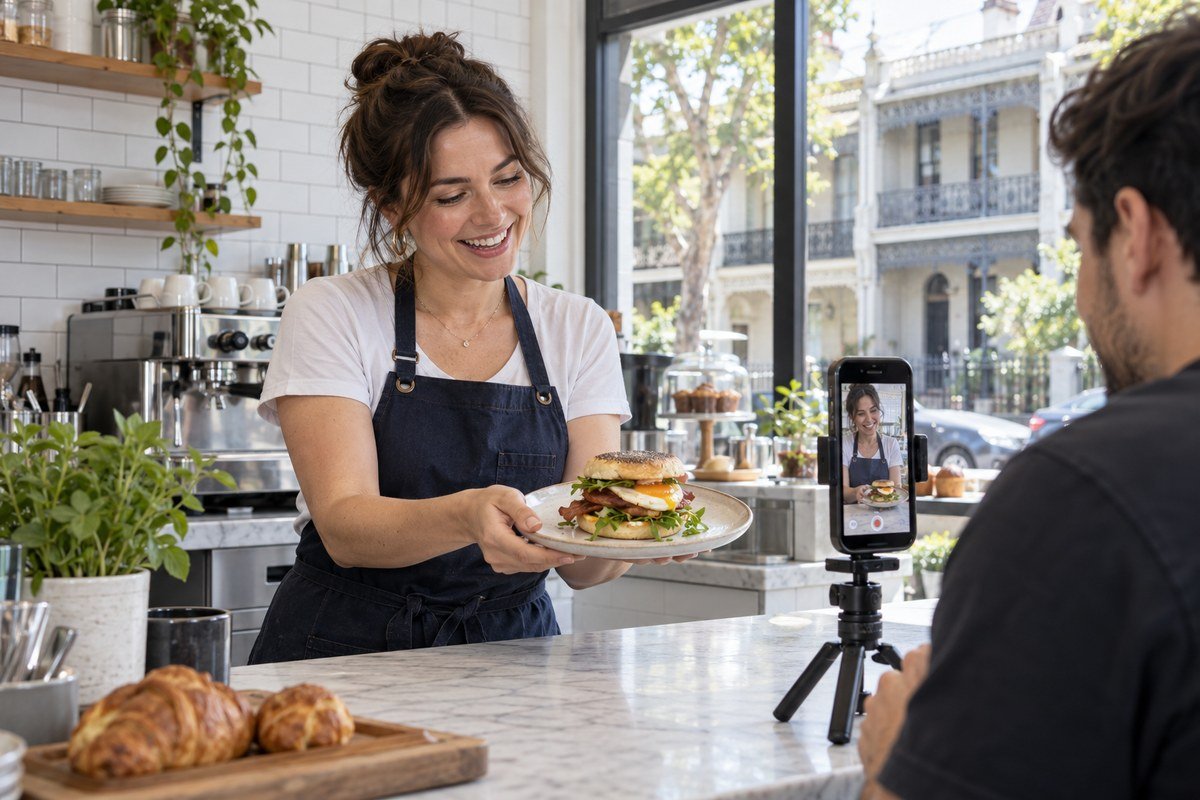
TikTok advertising works best as a sequence of deliberate decisions. Choose what the viewer should understand, show credible evidence and make the next action easy to recognise. Markezo brings creative planning, campaign setup and website review into one discussion. For Sydney businesses, that includes checking where an offer is available and how much demand the team can handle. Each test should help answer a business question, with the next round of production informed by what people actually do.
Start with the offer and the obstacle to buying. Customers may need to see the product working, understand the booking process or judge whether the price makes sense. Build a short script around one of those questions. The hook earns attention; the demonstration gives that attention a purpose. Captions and on-screen details should remain legible in the placement preview.
Create variations that test an identifiable difference. Two openings can introduce the same demonstration, or the same opening can lead into different evidence. A documented creative plan makes comparison easier. Changing the presenter, offer and destination together may produce a different result without explaining which change mattered. Production should leave room for useful revisions.
Decide how the content will enter the campaign. Spark Ads can promote eligible organic posts from your own account or another account with authorisation. Agree usage duration, approval responsibilities and commercial permissions before scheduling creator content. The TikTok Commercial Music Library can help with audio selection, but the intended use still needs checking. A popular sound is not sufficient evidence of permission.
Set up the campaign around the action you want and the targeting options available. Consider prospecting and, where appropriate, retargeting as different tasks. Local availability belongs in the creative as well as the settings. A Sydney venue promoting a limited event should make the location, date and booking conditions clear before asking someone to respond.
Follow the tap through to the website. Organise the landing page around the advertised offer, supporting details and a visible action. Delivery costs, availability and relevant customer evidence can resolve uncertainty. Review the mobile journey through completion, including form errors or checkout friction. Paid traffic cannot compensate for information that customers need but cannot find.
Finally, check the conversion events used to assess performance. Where both TikTok Pixel and Events API send the same event, deduplication helps prevent duplicate reporting. Compare platform results with available website and sales records, recognising attribution limits. Look for sufficient evidence before changing spend or commissioning another filming session. A strong viewing result may justify another creative test; purchases or suitable enquiries help determine its commercial value.