
Markezo insight
Build a useful video library around customer questions, then evaluate discovery and viewing alongside the next actions viewers take.
YouTube SEO helps a business make relevant videos easier to find, understand and choose. It combines useful topics, clear titles and thumbnails, accurate supporting information and videos that deliver what viewers expected. For Australian businesses, its commercial value comes from reaching appropriate buyers and helping them take a useful next step.
A YouTube SEO agency should therefore do more than add keywords to uploaded videos. It should connect content decisions to customer questions, review how viewers respond and measure useful actions beyond raw view counts.
Distinguish search visibility from recommendations
Someone searching for a specific repair, comparison or product demonstration has expressed a question. A viewer discovering a video through recommendations may be following a broader interest rather than actively looking for your business.
Both routes can be valuable, but they call for different interpretation. Search-led videos may answer narrow buying questions, while a broader demonstration may introduce a product to people who did not know its name. Avoid judging both solely against total views.
YouTube's search and discovery guidance describes viewer personalisation and performance signals, including whether people choose a recommended video and continue watching. Adding an exact phrase repeatedly cannot substitute for a video people find relevant and satisfying.
Start with questions your customers actually ask
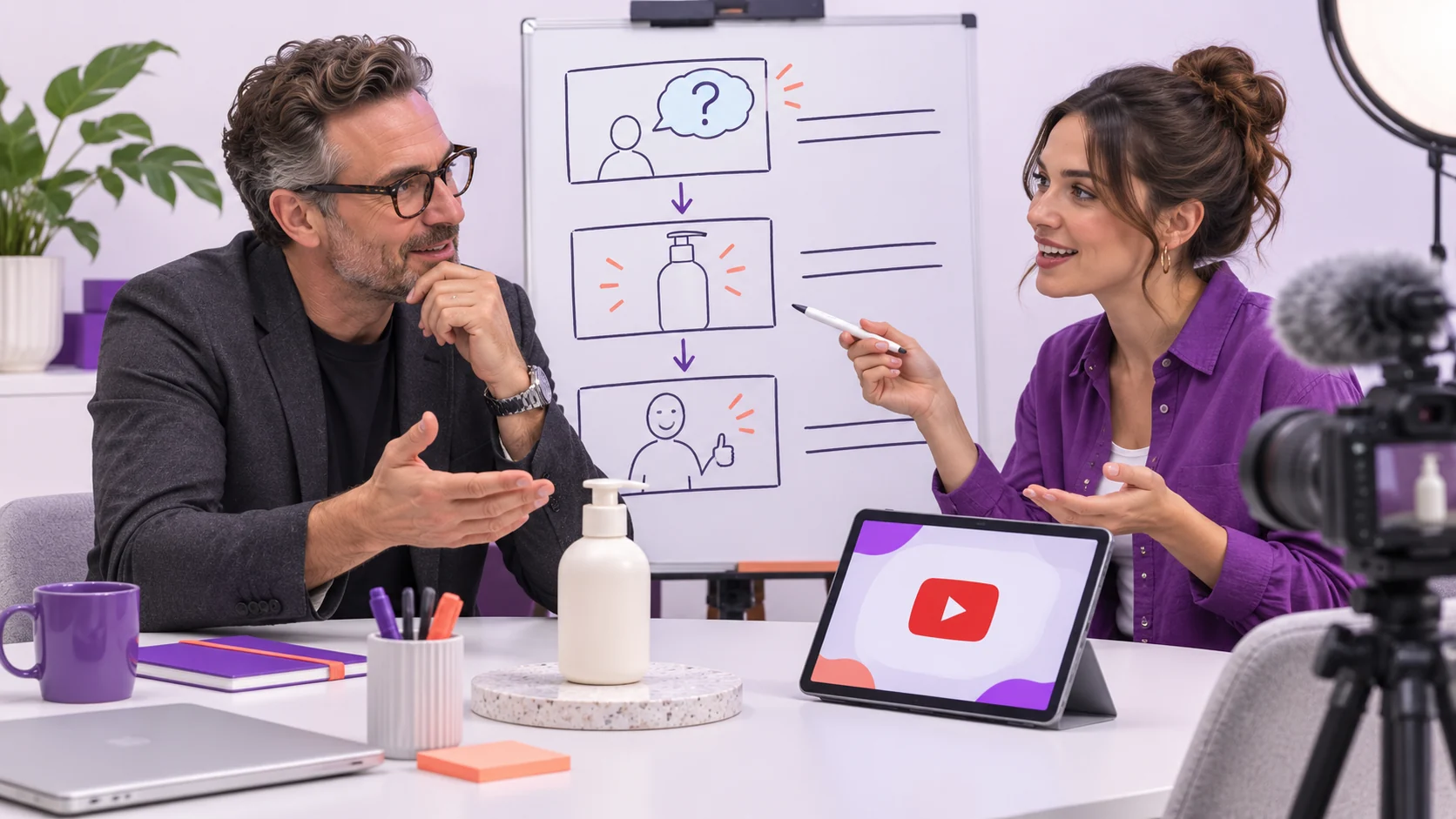
Look at sales conversations, support enquiries, site searches and product objections. Useful ideas often sit close to a decision: whether an item will fit, how two options differ, what installation involves or how to identify a common problem.
Group questions into a small set of purposes:
- Understanding: explain an unfamiliar problem or process.
- Evaluating: demonstrate differences, limitations and suitable uses.
- Acting: show setup, preparation, maintenance or a next step.
A hypothetical Australian outdoor supplier could create a video comparing shelter sizes, another demonstrating assembly and another explaining care after wet weather. Each video serves a distinct question rather than repeating the same product pitch.
Use local context when it changes the answer, such as available models, measurements, delivery areas or operating conditions. Adding Australian place names to unrelated sentences does not make a video locally useful.
Design the answer before writing the title
Decide what the viewer should understand at the end, then record the demonstration or explanation needed to get there. Show the important result early so viewers can confirm that they found the right video.
For a comparison, define the criteria before giving a recommendation. For instructions, show prerequisites and explain where someone could make an error. For a service overview, describe what the customer should prepare and what affects scope.
Do not stretch the introduction to create a longer video. If the answer needs two minutes, use two useful minutes. If it needs a detailed walkthrough, give the explanation room while keeping each stage easy to follow.
Make the promise specific
A title such as "How to Measure Your Patio for a Shade Sail" tells a potential customer what they will learn. A vague title about transforming outdoor living does not communicate the same task.
The thumbnail should reinforce the actual topic, not introduce an unsupported claim. Check legibility at a small size and ensure any pictured result appears in the video.
Use metadata to explain the content accurately
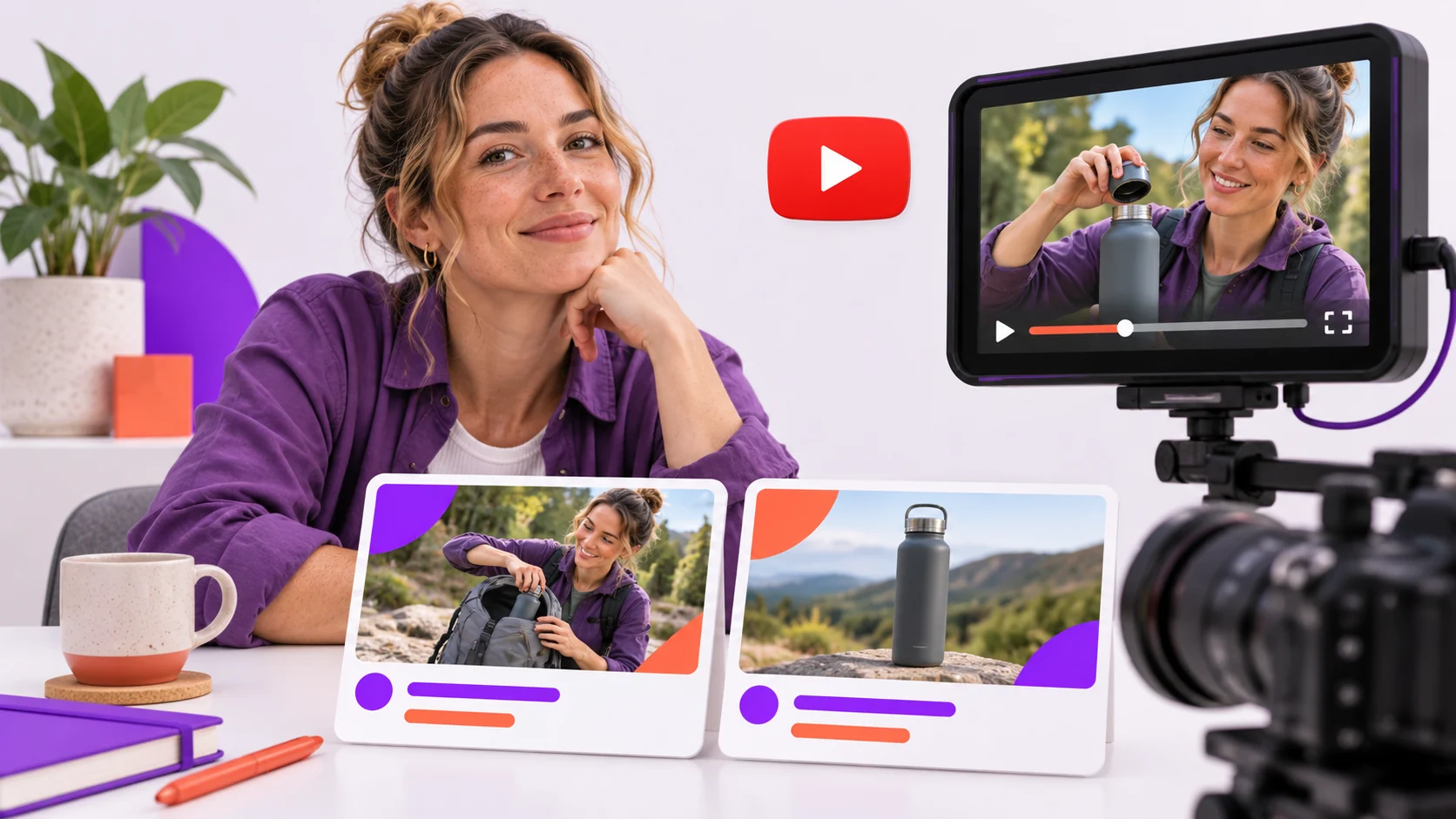
Write a clear description that summarises the video, identifies the relevant product or service and offers a useful next destination. Put important information where a viewer can find it without scanning an unrelated block of promotional text.
YouTube says that titles, thumbnails and descriptions matter more for discovery than tags. Tags may help with common misspellings, but they play a limited role otherwise. An agency selling a large tag list as its main service should explain how that work addresses the actual content problem.
Review captions and spoken terminology
Accurate captions help viewers follow an explanation, including people watching without sound or with hearing difficulties. Check product names, technical terms and Australian place names rather than assuming automated transcription is correct.
Add navigation when it helps
For a longer walkthrough, clearly labelled sections and suitable chapters can help viewers locate the relevant step. Keep the sequence aligned with the video. Do not create labels for subjects that the footage does not meaningfully cover.
Arrange genuinely related videos into useful playlists. A playlist should support a viewing task, such as product setup, rather than merely collect unrelated uploads.
Give interested viewers a sensible next step
Choose a destination that matches the question being answered. A viewer researching dimensions may need a specification page; someone watching an installation overview may need a preparation checklist or an enquiry form.
Keep the action specific and proportionate. Asking for a sales meeting in every educational video can feel premature. Conversely, a product demonstration without an accessible product page can leave a ready buyer searching for basic details.
Use tagged website links where appropriate and confirm that analytics can identify resulting visits. For enquiries, let the sales team record the content mentioned by the customer. This can add useful context without pretending every later sale can be attributed perfectly to a single video.
Read performance as a diagnosis

ObservationQuestion to investigate Few impressionsIs the topic narrow, highly competitive or poorly matched to current viewer demand? Impressions with few selectionsDo the title and thumbnail communicate a relevant, credible reason to watch? Early viewing drop-offDoes the opening deliver the promised subject promptly? Useful viewing with few website actionsIs the next step relevant, visible and appropriate to the viewer's readiness? Website visits with few enquiriesDoes the destination continue the video's promise and make action practical? These are diagnostic questions, not automatic explanations. Compare traffic sources, topics and video formats before deciding what caused a result. A short instructional video and a long product review will not necessarily have comparable viewing patterns.
Know what an agency should deliver
A practical scope for YouTube marketing support might include customer-question research, content briefs, metadata review, thumbnail direction and performance interpretation. Filming, editing and channel management are separate responsibilities unless explicitly included.
Ask for deliverables that you can inspect: why a topic was chosen, what the video promises, which audience it serves and what the next review will investigate. Keep control of channel permissions and source files, and agree who approves technical or product claims.
No agency can guarantee a particular search position or a viral result. Appoint the team that can explain the work and adapt it using evidence from your channel and customer journey.
Questions about YouTube SEO
Will changing my channel country make videos rank in Australia?
YouTube's performance FAQ says channel location is not used to determine video recommendations. Create content relevant to Australian viewers rather than expecting a country setting to deliver that audience.
Should old videos be deleted if they have few views?
Review accuracy and purpose first. A narrow support video may be valuable to a small audience. Update or replace content that misleads viewers or describes an obsolete offer, and consider the effect on existing links before removal.
How should a small business begin?
Choose a short series of distinct customer questions that your team can answer well. Record the baseline, publish consistently enough to maintain quality and review which topics lead to useful viewing and business actions. Expand when the process is sustainable.